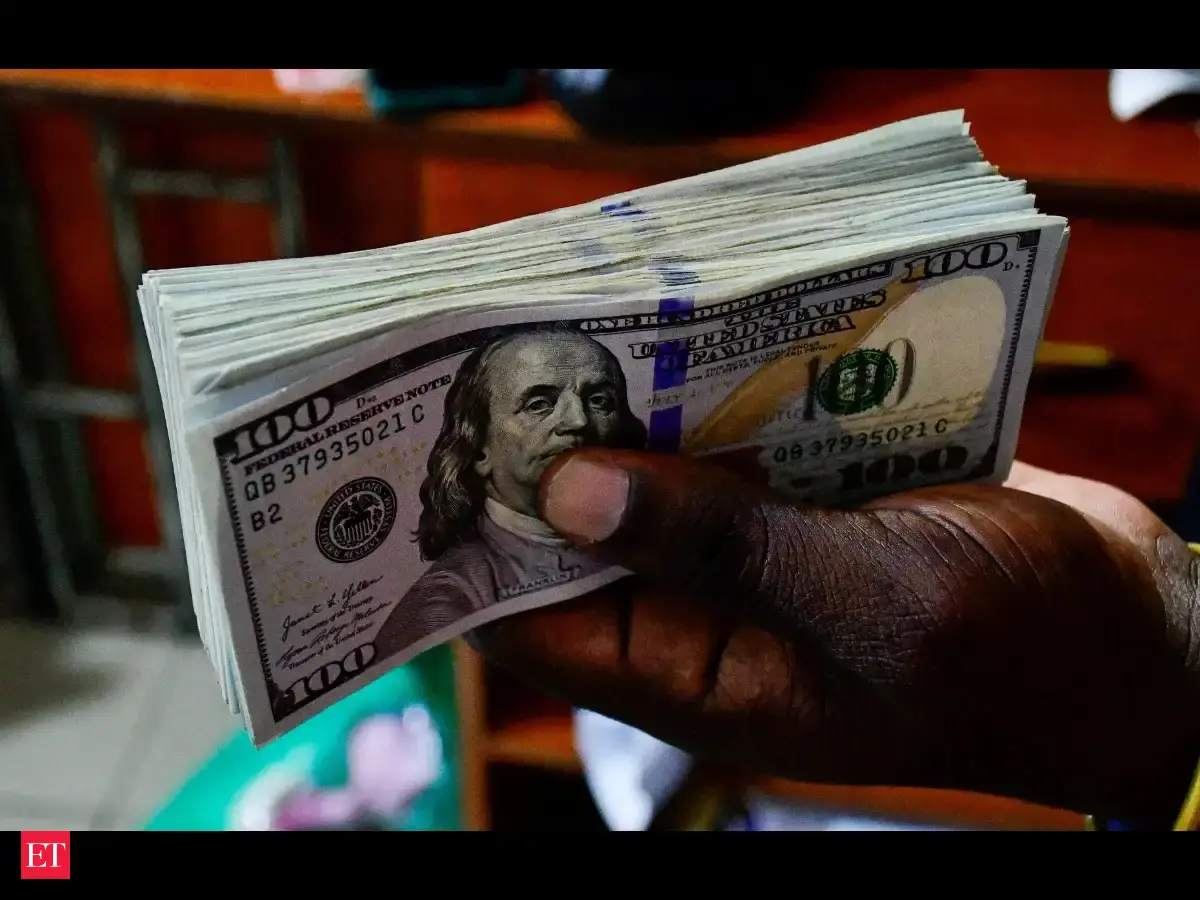
USD rate: Why is US Dollar down from 18-month peak? The story sits in the macro lane and points attention toward US Dollar. The headline carries a high impact label, so it should be read as market context first, then tested against the chart. The source summary gives the starting point: USD rate: Why is US Dollar down from 18-month peak? The story sits in the macro lane and points attention toward US Dollar. The headline carries a high impact label, so it should be read as market context first, then tested against the chart. The source summary gives the starting point: Live Events You Might Also Like: Donald Trump approval ratings down due to cost of living, Democrats pin hope on military veterans to upset Republicans in US.
The story sits in the macro lane and points attention toward US Dollar. The headline carries a high impact label, so it should be read as market context first, then tested against the chart.
The source summary gives the starting point: Live Events You Might Also Like: Donald Trump approval ratings down due to cost of living, Democrats pin hope on military veterans to upset Republicans in US.
The useful reader angle is policy expectation. Ask whether the story changes the market's view of growth, inflation, rates, or central-bank timing.
Macro news often matters because traders connect it to interest-rate expectations, inflation pressure, economic growth, and central-bank decisions.
Price action should be checked across several markets instead of one candle. A stronger macro read appears when the dollar, yields, gold, indices, and risk assets agree with the same interpretation.
Confirmation matters more than the first reaction. Watch whether the affected markets holds beyond the first few candles, whether pullbacks respect the new direction, and whether volume or volatility supports the move. If price rejects the headline quickly, the story is information, not confirmation.
The main affected markets in this app are US Dollar, Gold and US yields, so the headline should be read as context for those instruments rather than as a direct trading signal.
Because this is marked high impact, the main risk is overreacting before the market finishes repricing the data or policy angle. Wait for the next candle closes and compare the reaction with the broader trend.