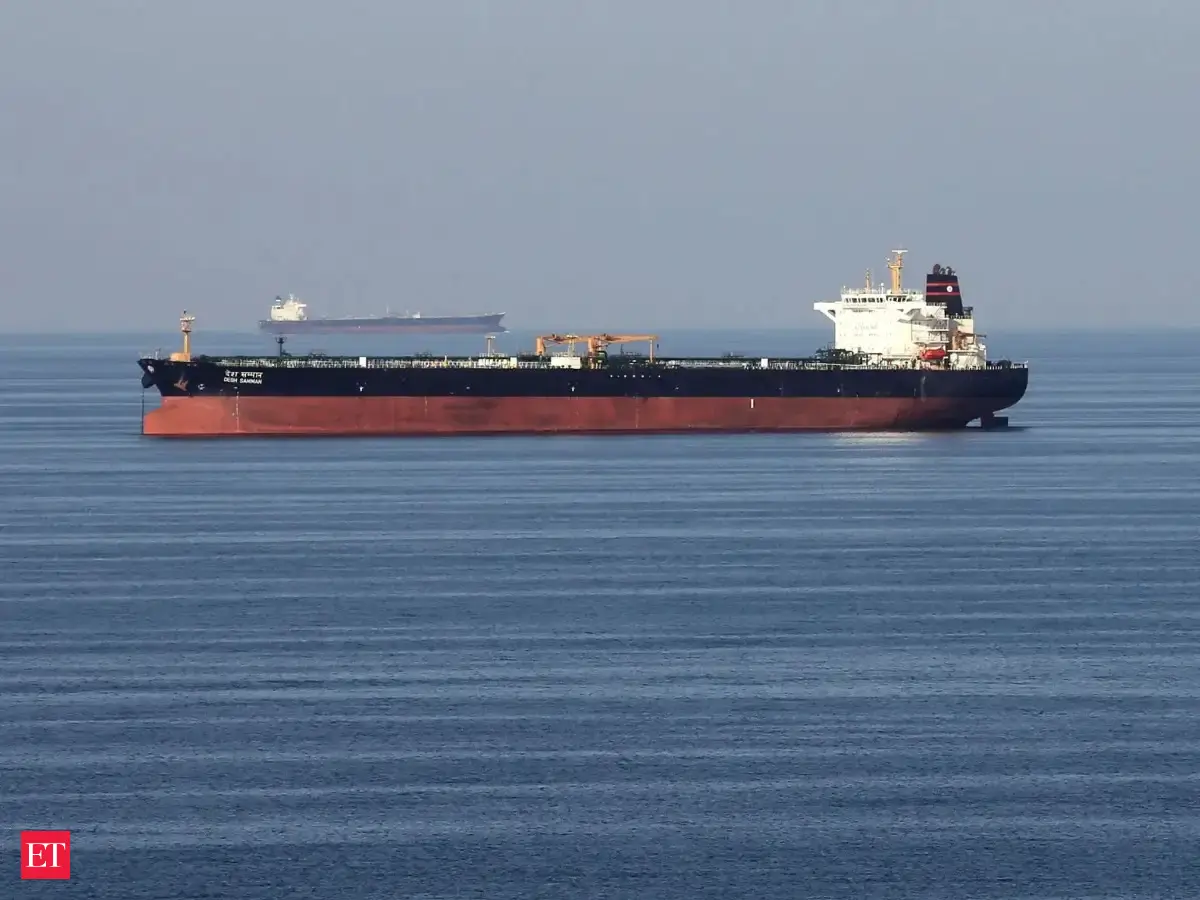
Middle East oil exports are recovering despite Strait of Hormuz tanker attacks, but the bigger problem is getting crude safely to buyers. The story sits in the commodities lane and points attention toward WTI Oil. The headline carries a high impact label, so it should be read as market context first, then tested against the chart. The source summary gives the starting point: Middle East oil exports are recovering despite Strait of Hormuz tanker attacks, but the bigger problem is getting crude safely to buyers. The story sits in the commodities lane and points attention toward WTI Oil. The headline carries a high impact label, so it should be read as market context first, then tested against the chart. The source summary gives the starting point: Gulf oil is moving again, but Hormuz remains dangerous Live Events Saudi Arabia is using.
Middle East oil exports are recovering despite Strait of Hormuz tanker attacks, but the bigger problem is getting crude safely to buyers. The story sits in the commodities lane and points attention toward WTI Oil.
The headline carries a high impact label, so it should be read as market context first, then tested against the chart.
The useful reader angle is whether the story changes supply, demand, safety demand, or dollar pressure for WTI Oil.
For commodities, the cleanest reading comes when WTI Oil, the dollar, yields, and supply or demand headlines point in the same direction.
For WTI Oil, the useful test is whether price continues after the first supply or demand shock. If the move stalls at resistance, returns inside the prior range, or loses volume, the headline may already be priced in.
Confirmation matters more than the first reaction. Watch whether WTI Oil holds beyond the first few candles, whether pullbacks respect the new direction, and whether volume or volatility supports the move. If price rejects the headline quickly, the story is information, not confirmation.
The main affected markets in this app are WTI Oil, so the headline should be read as context for those instruments rather than as a direct trading signal.
Because this is marked high impact, watch for headline spikes. Commodity news can move quickly, but cleaner setups usually appear after price shows whether traders are still defending the first reaction.